
Health journalism
Published with The British Medical Journal | 24 July 2026
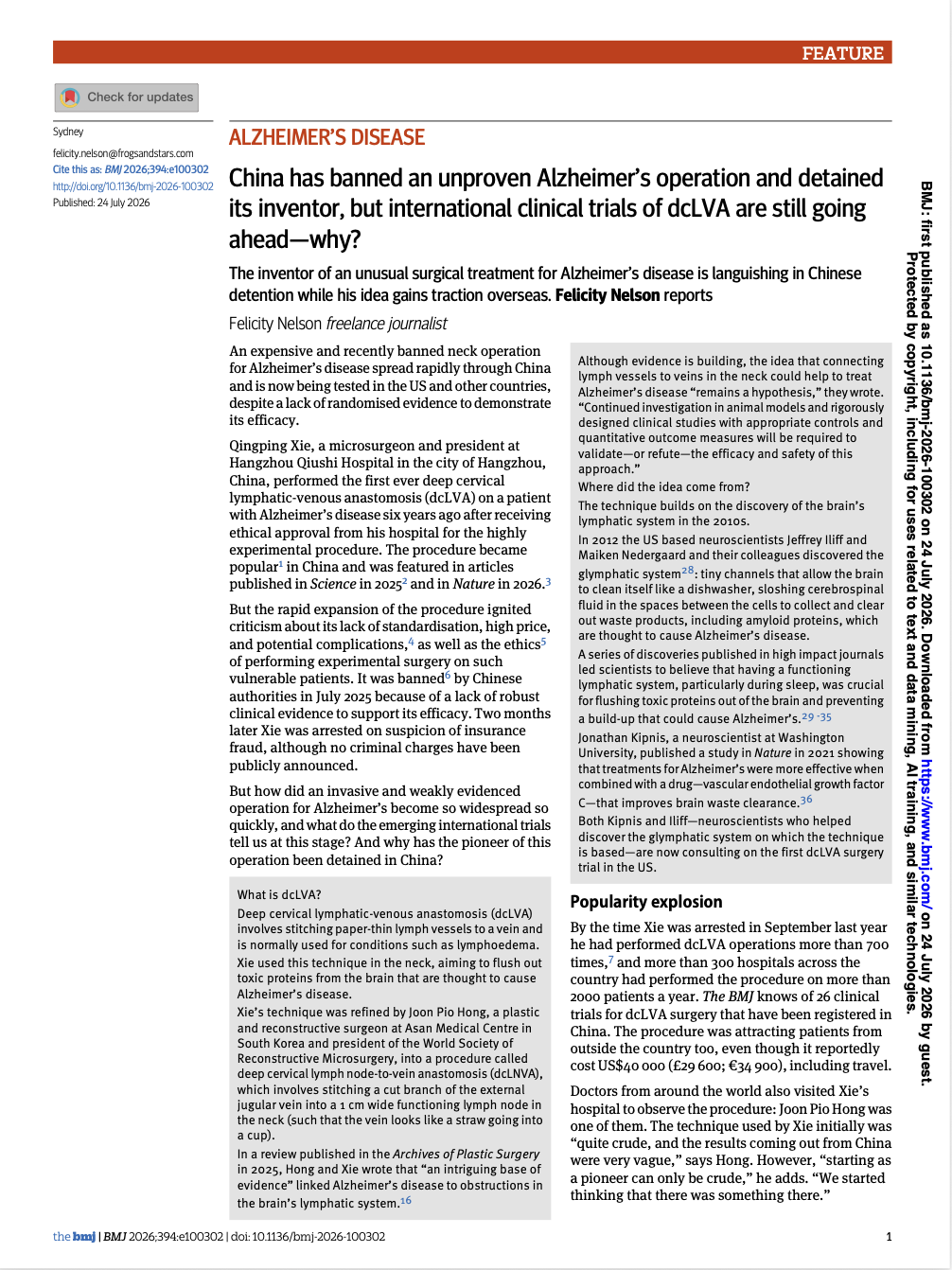
The inventor of an unusual surgical treatment for Alzheimer’s disease is languishing in Chinese detention while his idea gains traction overseas. Felicity Nelson reports
An expensive and recently banned neck operation for Alzheimer’s disease spread rapidly through China and is now being tested in the US and other countries, despite a lack of randomised evidence to demonstrate its efficacy.
Qingping Xie, a microsurgeon and president at Hangzhou Qiushi Hospital in the city of Hangzhou, China, performed the first ever deep cervical lymphatic-venous anastomosis (dcLVA) on a patient with Alzheimer’s disease six years ago after receiving ethical approval from his hospital for the highly experimental procedure. The procedure became popular1 in China and was featured in articles published in Science in 20252 and in Nature in 2026.3
But the rapid expansion of the procedure ignited criticism about its lack of standardisation, high price, and potential complications,4 as well as the ethics5 of performing experimental surgery on such vulnerable patients. It was banned6 by Chinese authorities in July 2025 because of a lack of robust clinical evidence to support its efficacy. Two months later Xie was arrested on suspicion of insurance fraud, although no criminal charges have been publicly announced.
But how did an invasive and weakly evidenced operation for Alzheimer’s become so widespread so quickly, and what do the emerging international trials tell us at this stage? And why has the pioneer of this operation been detained in China?…
I’ve edited Nature’s weekly round-up of cancer news, opinion and analysis since 2022. (Subscribe here)
-
24 September 2026 edition - This week, we hear that a team of AI agents has identified a lung-cancer drug candidate, learn that severe mental illness is tied to cancer death risk and discover why pancreatic cancer cells construct a web to trap cells.
3 September 2026 edition - This week, we hear that the United States has approved a pancreatic cancer drug that nearly doubles survival time, learn that sugar rationing during World War II had lifelong effects on cancer and discover the impact of air pollution on cancer rates worldwide.
27 August 2026 edition - This week, we discover that an mRNA vaccine has passed a major milestone, learn that people who live extraordinarily long lives have more cancer-killing immune cells and hear that knocking out two genes can make T cells more aggressive against solid tumours.
20 August 2026 edition - This week, we learn that an experimental blood test can detect precancerous polyps in the colon, hear why AI could help cancer patients navigate the healthcare system and discover that engineered yeast could save a cancer-drug-making flower.
6 August 2026 edition - This week, we hear that nature has a soft glow that can give cancer away, learn why a pharmaceutical company is supplying a cancer drug for free and discover that ovarian cancer often starts elsewhere in the body.
30 July 2026 edition - This week, we hear that a peculiar type of CRISPR enzyme is being used to treat tumours in mice, discover that some catfish have a contagious cancer and learn that AI-generated physicians are spreading misinformation online.
23 July 2026 edition - This week, we hear that sugar can help cancer therapies cross the blood-brain barrier, learn that yoghurt might protect against colorectal cancer and discover that sperm production has been restored in a man who survived childhood cancer.
16 July 2026 edition - This week, we hear that cancers are on the rise globally, discover that an increase in early-onset cancers could be tied to faster biological ageing and learn that breast cancer tends to be more aggressive up to three years after giving birth.
9 July 2026 edition - This week, we hear that fake cancer papers are attracting more citations than real ones, learn that prolonged periods of sitting are linked with cancer death and discover the dangers of excess liver fat in people with colorectal cancer.
2 July 2026 edition - This week, we hear that a widely reported study on the benefits of delivering immunotherapy at certain times of day has been retracted. Plus, we find that the US Supreme Court has blocked thousands of lawsuits against the manufacturer of Roundup and learn that Antarctic sea squirts might help treat cancer.
25 June 2026 edition - This week, we celebrate a milestone on the road to cervical cancer elimination, hear that a drug for a rare blood cancer has been approved and learn that more than a thousand oncology clinical trials could lose funding from the US government.
18 June 2026 edition - This week, we hear that cancer researchers in China are facing disciplinary action after being caught fabricating data, learn that vaping after smoking is worse than quitting altogether and explore a billion-dollar deal for KRAS inhibitors.
11 June 2026 edition - This week, we hear that the world is facing a cancer workforce shortage, learn that gene therapy has been linked with a brain tumour in a rare case and shine a light on developments in lung cancer.
14 May 2026 edition - This week, we learn that more than half of advanced lung cancers in the US aren’t treated, discover a quantum ‘thermometer’ that can measure the temperature inside cancer cells and hear that ‘dark proteins’ are being rebranded.
30 April 2026 edition - This week, we hear that CAR-T-cell therapy might prevent bone-marrow cancer, learn how a beating heart stops cancer from growing inside it and discover that there are more microplastics in brains with tumours.
23 April 2026 edition - This week, we examine the effectiveness of off-label drugs, hear that a treatment has doubled survival in people with pancreatic cancer and learn that quantum computers could be useful in cancer research.
16 April 2026 edition - This week, we learn that anti-KRAS treatments are being tested in clinical trials, discover a drug that might shrink ovarian and endometrial cancers and hear that AI misinformation was used to justify a decision to refuse cancer treatment.
9 April 2026 edition- This week, we discover why immune cells stop functioning inside tumours, hear that pig semen is being used to treat eye cancer and learn that autoimmune disease could be caused by ‘the cancer you never knew you had’.
2 April 2026 edition - This week, we learn that vaping is a likely cause of oral and lung cancers, hear that an influential, 49-year-old article on asbestos and talcum powder has been retracted and discover that tumours have an unexpected food source.
26 March 2026 edition - This week, we discover a more precise way to engineer in vivo CAR T cells, hear that ageing drives the spread of lung cancer and learn how metastatic breast cancer cells resist attack from immune cells.
19 March edition - This week, we hear that the United States is cutting ties with the International Agency for Research on Cancer, learn that severe COVID-19 is associated with lung cancer and discover that cancer cells can ‘vomit up’ internal proteins.
12 March edition - This week we learn how tumours recruit a scaffold of healthy cells to keep them safe, hear why Latin America needs more clinical oncology research and discover nanoparticles that respond to pH and hypoxia to deliver better targeted immunotherapy.
5 March edition - This week, we learn that a vegetarian diet is linked with lower rates of some cancers, discover an ultra-sensitive CAR T cell and hear ‘stunning’ results from a trial of a new prostate-cancer immunotherapy.
26 February edition - This week, we learn that a multicancer blood test called Galleri hasn’t lived up to expectations, discover that sleuths have questioned the results of a study on the timing of immunotherapy and hear that a newly discovered virus inside gut bacteria is more common in people with colorectal cancer.
19 February edition - This week, we hear that a wearable device for treating pancreatic cancer has been approved in the United States, learn about an inhalable gene therapy for lung cancer and discover a molecule responsible for suppressing the activity of anticancer T cells.
5 February 2026 edition- This week, we hear that a cancer molecule can help destroy the misfolded proteins that are associated with Alzheimer’s disease in mice, discover that faecal transplants might reduce immunotherapy side effects and learn that retroviruses are causing cancers in koalas.
29 January 2026 edition- This week, we hear that a vaccine might help people with Lynch syndrome, explore the links between chronic stress and liver cancer and learn that widespread HPV vaccination could create herd immunity.
22 January 2026 edition - This week, we celebrate a milestone for cancer survival rates in the United States, learn how to conduct cell-level surveillance on drug-resistant cancer and hear that pivotal microplastics research is being questioned.
15 January 2026 edition - This week, we learn that millions of people in the United States could miss out on cancer screenings over the next few years, hear that deactivated cancer cells can train the immune system and explore how to kill dormant cancer cells.
8 January 2026 edition - Happy New Year and welcome to the first edition of Nature Briefing: Cancer for 2026! This week, we discover a treatment that can rejuvenate ageing T cells, learn that a case of data manipulation has been settled for US$15 million and hear that HPV has been found in human fossils.
-
18 December 2025 edition - This week, we hear about a pioneering CAR-T-cell treatment, contemplate changing the frequency of breast cancer screening and learn that a major paper on glyphosate and cancer has been retracted.
11 December 2025 edition - This week, we hear that more kids than ever are surviving cancer in the United States, learn that self-collection for cervical cancer screening has been given the green light and explore why exercise slows cancer growth.
4 December 2025 edition - This week, we learn that colorectal cancer can originate from more than one cell type, discover the specific environment that liver cancer needs to grow and discover the genetic chaos inside individual cells from the same person.
27 November 2025 edition - This week, we hear that researchers are tricking the immune system into thinking solid tumours are viruses, hear that metastatic lung cancer cells are interfering with neuron signalling in the brain and discover how cancer-boosting DNA hitches a ride during cell division.
13 November 2025 edition - This week, we learn that nanoparticles can encourage T cells to attack ovarian cancer, discover a protein that can stop cancer from self-destructing and hear that a dual-action cellular therapy is being trialled in children with solid tumours.
6 November 2025 edition - This week, we discover the anticancer nanobots under development, hear that stimulating lymphatic vessels could enhance cancer treatments and take a look at the high cancer rates across the corn belt in the United States.
30 October 2025 edition - This week, we hear that ESMO has issued guidance around the use of chatbots in oncology, discover that tumour DNA in the blood can inform treatment decisions and learn why Lebanon has one of the fastest growing rates of cancer in the world.
23 October 2025 edition - This week, we discover that an mRNA COVID vaccine seems to spark anticancer immune activity, hear that a blood test could help us catch cancers earlier and explore the highlights from the ESMO congress.
16 October 2025 edition - This week, we hear that low-quality cancer papers are flooding the literature, learn that drugs for cachexia are closer than ever and discover a protein that drives the growth of pancreatic cancer.
9 October 2025 edition - This week, we discover a possible mechanism behind immunotherapy failure, learn that ‘armoured’ CAR T cells can penetrate solid tumours and investigate how oncologists are responding to drug shortages.
2 October 2025 edition - This week, we learn that only a subset of people taking aspirin see a cancer-prevention benefit, hear that the first breast screening appointment matters for mortality and discover that hospitals around the world are trialling lower doses of expensive immunotherapies.
25 September 2025 edition - This week, we learn that the highest-grossing drug on the planet can now be given as a shot, hear that skin cancer recurs less often in people who take vitamin B3 supplements and discover a link between mouth microbes and pancreatic cancer.18 September 2025 edition - This week, we explore the devastating impact of budget cuts on cancer research in the United States, hear that Denmark has made stunning progress in cancer care and learn that New Zealand is struggling with stem-cell transplant delays.
11 September 2025 edition - This week, we learn that glioblastoma grows slower in mice fed a particular diet, hear that CAR-T-cell therapy is working wonders in myeloma and discover that a US government report connecting alcohol with cancer is being withdrawn.
4 September 2025 edition - This week, we learn that the chemotherapy paclitaxel works better when it's delivered inside a nanopackage, hear that genetic scissors can snip out cancer-driving mutations and get the latest on Keytruda’s rival, the drug ivonescimab.
28 August 2025 edition - This week, we investigate whether extreme exercise can play a role in the development of tumours, discover that a sensor made from diamond can help surgeons track the spread of cancer and hear that a blood test for ovarian cancer could detect the disease earlier.
21 August 2025 edition - This week, we learn that bacteria can shield cancer-killing viruses from the immune system, hear that a $2 billion donation has been made towards cancer research and discover the role of DNA loops in blood cancer relapse.
31 July 2025 edition - This week, we discover a rare case of cancer replacing bones, hear that a global rise in liver cancer cases could be prevented and learn that butter might be more cancer-triggering than olive oil in mice.
17 July 2025 edition- This week, we learn that a second cancer-killing virus could soon be approved in the United States, hear that an artificial intelligence tool can identify cancer-driving mutations by ‘sight’ and discover a gene variant that makes a rare type of ovarian cancer more susceptible to immunotherapy.
10 July 2025 edition- This week, we learn that a common allergy medication could help the immune system target breast cancer, discover that never-smokers with lung cancer have similar mutations to smokers and assess the value of virtual lab meetings attended by chatbots.
3 July 2025 edition - This week, we investigate the defective cancer drugs that are flooding sub-Saharan Africa, hear that cancer cells steal energy-producing mitochondria from nerve cells to fuel metastatic growth and discover that a fungus linked to ‘cursed’ tombs is a potential cancer drug.
26 June 2025 edition - This week, we hear that having a history of breast cancer is associated with a slightly lower risk of Alzheimer's disease, learn that a drug combination combats a deadly blood cancer in mice and discover a pill-on-a-thread for cancer screening.
19 June 2025 edition - This week, we learn that colorectal cancer cells leave their old identities behind when they spread to other organs, hear that England is the first country to approve a ‘Trojan-horse’ drug for multiple myeloma and unpack the ‘twin illusions’ that make studying the impact of cancer screening so difficult.
29 May 2025 edition - This week, we learn how to classify brain tumours within 90 minutes, discover that extra screening can find cancer hidden in dense breast tissue and hear that radiotherapy can sometimes boost the growth of distant tumours.
22 May 2025 edition - This week, we marvel at the first human bladder transplant, discover the effects of CAR-T-cell therapy on cognitive function in mice and learn that electricity is being used to treat brain cancer.
15 May 2025 edition - This week, we hear that protein-slaying drugs could treat childhood cancer, discover the hidden anticancer properties of weight-loss drugs and learn that the United States has approved the first at-home cervical-cancer screening test.
8 May 2025 edition - This week, we hear that a spinal tumour has been removed through a person’s eye socket for the first time, learn that T cells are being supercharged against solid tumours and discover a new drug for an aggressive form of breast cancer.
1 May 2025 edition- This week, we discover a link between a bacterial toxin and cancer in young people, learn that China has now overtaken the United States as the world’s leading producer of cancer research and explore how to make cancer vaccines more effective.
24 April 2025 edition- This week, we discover a promising cell therapy for hard-to-treat lymphoma, hear how cancer research is being affected by budget cuts in the United States and learn that rice is absorbing more cancer-causing arsenic because of climate change.
17 April 2025 edition - This week, we hear that women with advanced breast cancer are living longer thanks to a new drug, dive into the debate over CT scans and cancer risk and discover a way to restore motivation in mice with cancer.
3 April 2025 edition - This week, we hear that the molecule neuropeptide Y promotes the growth of pancreatic cancer, learn that focused ultrasound could help cancer treatments reach the brain and investigate inconsistencies in the genetic paradigm of cancer.
20 March 2025 edition - This week, we hear that donating blood regularly might protect against leukemia, examine alcohol as a cause of cancer and learn that poo transplants could supercharge immunotherapy.
13 March 2025 edition - This week, we explore how aspirin boosts anti-cancer immunity, hear that a resilient microorganism could improve cancer therapy and investigate the US National Cancer Institute’s response to the administration of US President Donald Trump.
6 March 2025 edition - This week, we hear that a scientist’s pioneering brain-cancer treatment has led to a clinical trial, learn about a new class of immunotherapy targets and find out which countries have the highest breast-cancer death rates.
27 February 2025 edition - This week, we hear that most people given CAR-T-cell therapy don’t seem to develop secondary cancers, learn that cancer cells work together to scavenge for nutrients and discover a protein that causes brain cancer in kids.
20 February 2025 edition - This week, we hear that CAR-T-cell therapy has kept one person’s cancer at bay for a record-breaking 19 years, learn that a blood test could detect pancreatic cancer early and explore the electrical activity that helps small-cell lung cancer grow.
13 February 2025 edition - This week, we hear that CAR T cells can pass their cancer-killing powers on to other T cells, discover a potential vaccine for kidney cancer and learn that the American Cancer Society has called on President Donald Trump’s administration to stop meddling with public-health data.
6 February 2025 edition - This week, we descend into the world of ‘dark proteins’, learn about the creation of compact accelerators to deliver ultra-high dose rate radiotherapy and hear about a practice-changing trial in people with advanced colorectal cancer.
30 January 2025 edition - This week, we investigate a startup that has sidestepped US regulations by offering its experimental cancer treatment offshore, discover that cancer cells can sabotage T cells by filling them with dud mitochondria and contemplate the risks associated with PFAS in drinking water.
23 January 2025 edition - This week, we learn that the immune system can be tricked into attacking tumours disguised as pig organs, hear that cancers are on the rise in younger women and discover the danger posed by extra copies of mutant KRAS genes in pancreatic cancer.
16 January 2025 edition - This week, we learn that a type of CAR T cell therapy has been trialled in children with brain cancer for the first time, explore why cancer-fighting immune cells work at different speeds and hear that radiologists can catch more breast cancers using AI.
9 January 2025 edition - Welcome back! In the first Nature Briefing: Cancer of 2025, we discover what speckles in the nucleus can tell us about cancer survival, investigate the use of ‘zebrafish avatars’ for choosing cancer drugs and learn that healthy breast cells can have weird numbers of chromosomes — just like cancer cells.
-
19 December 2024 edition - This week, we hear that metabolic enzymes are moonlighting as cancer helpers, consider the controversial ‘watch and wait’ approach for early breast cancer and discover that organoids can model the effect of CAR T cell therapy on the brain.
12 December 2024 edition - This week, we discover that fructose is converted into cancer fuel by the liver, hear that an immunotherapy can help treat the most common type of childhood cancer and learn that a chemical inside goose poo might have anticancer properties.
5 December 2024 edition - This week, we learn that depriving cancer cells of sugar helps them survive chemotherapy, unpack why some people keep their cancer diagnosis a secret and discover a protein that promotes tissue regeneration and suppresses colorectal cancer.
14 November 2024 edition - This week, we consider the impact that Donald Trump’s second term as US president might have on cancer healthcare, hear that a scientist has treated her own breast cancer using viruses and discover sticky proteins on bacteria that drive colon cancer.
7 November 2024 edition - This week, we discover how CAR T cells can be protected from exhaustion when fighting ovarian cancer, learn that immune cells can shape-shift into spindles to pierce solid tumours and hear that a flurry of papers have been published by The Human Tumor Atlas Network.
31 October 2024 edition - This week, we learn that living cancer vaccines can suppress solid tumours in mice, explore computer-designed CAR T cells for brain cancer and rediscover tamoxifen’s long-forgotten female inventor.
24 October 2024 edition - This week, we hear about the greatest boost to cervical cancer survival in 25 years, discover a hibernation strategy that could help cancer cells survive starvation and learn that advanced cancers might be driven by rapid mutations in circular DNA.
17 October 2024 edition- This week, we explore whether microRNAs will ever be useful as medicines, hear about a potential treatment for the most-aggressive type of breast cancer and discover why a diabetes ‘wonder drug’ flopped in cancer.
10 October 2024 edition - This week, we discover two ways to drive cancer-fighting immune cells further inside solid tumours, explore why cancers are rising in young people and investigate whether magic mushrooms can ease distress in people with cancer.
3 October 2024 edition - This week, we dive into the changes occurring before birth that could explain the elevated leukaemia risk in people with Down’s syndrome, learn about a new type of radiotherapy and hear that anti-parasite immune factors could help boost CAR T cell therapy.
26 September 2024 edition - This week, we explore how budget cuts will affect the world’s largest cancer-research funder, learn that alcohol is linked to one in 20 cancers in the United States and discover that a transmissible tumour has been made in the lab.
19 September 2024 edition - This week, we hear that anticancer immune cells live inside skull bones, learn that the market-leading drug Keytruda has fresh competition and dream about delivering CAR T cell therapy faster.
12 September 2024 edition - This week, we hear that lab-grown blood stem cells might one day help people with blood cancers recover from chemotherapy, learn that an artificial intelligence can detect 11 types of cancer and discover how cancer dodges the immune system.
5 September 2024 edition- This week, we learn that gut bacteria convert cigarette chemicals into toxins that can spread through the body, discover a subset of helper T cells that trigger cancer and hear that tall people are more likely to get cancer.
29 August 2024 edition - This week, we discover how bones shield themselves from cancer invasion, learn that roaming cancer cells like to return home and hear that fasting has mixed consequences.
22 August 2024 edition - This week, we learn that a ketogenic diet hurts pancreatic cancer when combined with a drug, discover the many subtypes of T-cell acute lymphoblastic leukaemia and hear that rectal exams are on their way out.
15 August 2024 edition - Welcome back! This week, we hear that blasting a gut microbe with antibiotics lowers the risk of gastric cancer, learn that sensory nerves help breast cancer spread and discover a potential ‘off’ switch for a vicious childhood cancer.
25 July 2024 edition - This week, we hear about a gene that drives cancer growth, find out that children with deadly brain cancer might benefit from CAR T cell therapy and learn about the liver’s prophetic properties.
18 July 2024 edition - This week, we learn that lactate helps cancer cells resist chemotherapy, hear that killer T cells can exert deadly mechanical force and explore the counterintuitive finding that ageing shields mice from lung cancer.
11 July 2024 edition - This week, we hear that infections are a leading cause of non-relapse death following CAR T cell therapy, learn that mosquito-killing gene technology has inspired cancer research, and learn that tumour-infiltrating T cells are creatures of the night.
4 July 2024 edition - This week, we learn that a high-profile cancer microbiome paper has been retracted, hear about a plan to save children’s cancer drugs from market failure and delve into B-cell ‘biofactories’.
6 June 2024 edition - This week, we hear that immunotherapy is ‘melting away’ advanced colorectal cancers, explore the results of two major lung-cancer drug trials and discover how to gently fade out cancerous blood stem cells while introducing healthy cells at the same time.
30 May 2024 edition - This week, we hear that proteins associated with cancer can be detected in the blood up to seven years before diagnosis, discover how to stop macrophages from munching on cancer-killing T cells and compare the writing skills of oncologists and chatbots.
23 May 2024 edition - This week, we hear that emotional distress is linked with poor immunotherapy response, explore the effect of ageing on cancer-fighting immune cells and discover how 3M kept the toxicity of ‘forever chemicals’ a secret for decades.
16 May 2024 edition - This week, we learn that the pancreas contains hundreds of precancerous lesions, hear that overstimulating cancer can make it more vulnerable to drugs and discover ‘mini-colons’ that can model cancer.
2 May 2024 edition - This week, we learn that temporary epigenetic changes can cause runaway cancer, discover a drug that shrinks genetically unstable tumours in mice and hear that vitamin D promotes anticancer gut bacteria.
25 April 2024 edition - This week, we learn that an algorithm can predict the origin of mysterious cancers, hear about the anticancer effects of aspirin and discover a biomarker that can predict which people with eye cancer might benefit from cellular therapy.
18 April 2024 edition - This week, we hear that oncologists are no longer flying blind when selecting precision drugs for hard-to-treat child cancers, learn how to prevent exhaustion in cancer-fighting T cells and explore a broad-spectrum RAS inhibitor for pancreatic cancer.
11 April 2024 edition - This week, we discover a ‘paradigm-shifting’ idea for treating a deadly childhood cancer, learn that cannabis still isn’t being recommended by oncologists as a first-line treatment and hear that prostate cancer is on the rise.
4 April 2024 edition - This week, we discover that genetically modified T cells are being attacked by other T cells, hear that the amino acid threonine fuels glioblastoma growth in mice and learn that tuberculosis infection is associated with a higher risk of cancer.
28 March 2024 edition - This week, we hear that a small Indian manufacturer has smashed the CAR T cost barrier, identify a bacterium infiltrating colorectal tumours and pinpoint a potential genetic trigger behind lung-cancer relapse.
21 March 2024 edition - This week, we hear that genetically modified immune cells can melt brain tumours, learn that a blood test can detect colorectal cancer and explore the link between the gut microbiome and immunotherapy.
14 March 2024 edition - This week, we learn how to capture immunotherapy in action, hear about a combination of treatments that can lift bladder-cancer survival and discover that a flickering light or pulsating sound helps treat ‘chemobrain’ in mice.
7 March 2024 edition - This week, we discover how an early-stage cancer hides from the immune system, learn about an anti-gene-silencing drug for blood cancers and hear that some stem cells grown in labs harbour cancer mutations.
29 February 2024 edition- This week, we hear that exhausted cancer-fighting T cells can be reinvigorated using a new type of CRISPR technology, learn that artificial intelligence is being used by journals to spot image manipulation and discover a ‘master regulator’ for cancer-eating immune cells.
22 February 2024 edition - This week, we hear that tumour-infiltrating lymphocytes have been approved for the first time in the United States, discover a ‘truly wonderful’ development in the treatment of mesothelioma and hear that a US regulator is probing the role of middlemen in driving drug shortages.
15 February 2024 edition - This week, we hear that a cancer gene has been used to turbocharge therapeutic T cells. Plus, we celebrate a big win against cancer’s ‘most-wanted’ target and learn that the future of precision cancer therapy might be to try everything.
8 February 2024 edition - This week, we explore how cancer hijacks the nervous system, hear that cancer-naming conventions need to change and learn that people living in the ‘Cancer Alley’ of the United States are speaking out.
1 February 2024 edition - This week, we hear that tumour-loving bacteria have been modified to create a urine test for colorectal cancer. Plus, CAR T cell therapy gets a warning label in the United States and the World Health Organization is criticised over poor-quality chemotherapy agents.
25 January 2024 edition - This week, we hear that some people with blood cancers achieved sustained remission after receiving an infusion of natural killer cells modified to express a cancer-targeting receptor. Plus, we discover that tiny, spherical nanobots can swim through urine to deliver bladder cancer treatment and learn that an antibody to prevent chemotherapy-induced hair loss is under development.
18 January 2024 edition - This week, we hear that specialists have responded to safety concerns surrounding an innovative cancer treatment called chimeric antigen receptor (CAR) T cell therapy. Plus, we learn that a cancer vaccine could delay relapse by activating T cells lurking in lymph nodes and explore the results of an expansive whole-genome-sequencing project.
11 January 2024 edition - Welcome to the first 2024 edition of Nature Briefing: Cancer! This week, we hear that scientists have manufactured cancer-fighting T cells without the cells ever having to leave the body. Plus, we learn that tiny jackhammers can shatter cancer cell membranes when vibrated by light and we discover another weak spot in KRAS, which some researchers are now calling the ‘Death Star’ protein.
-
21 December 2023 edition - For our final 2023 edition, we look back at some of the research highlights of the year. Plus, we learn that tumour-infiltrating lymphocytes might finally get FDA approval in 2024, take a deep dive into child deaths linked to contaminated chemotherapy and explore a strategy for protecting bones from radiation.
14 December 2023 edition - This week, we explore cancer trials that will shape medicine next year, uncover the secret to making KRAS inhibitors work and hear that a spectacular clinical-trial result could revive the flagging field of cancer-fighting viruses.
7 December 2023 edition - This week, we hear that the US Food and Drug Administration is investigating whether treatment with chimeric antigen receptor T cells can cause cancer. Plus, we learn that drug combinations are rarely more than the sum of their parts and discover that brief treatment breaks can destabilize drug-dependent cancer.
30 November 2023 edition - This week, we learn that artificial intelligence can detect pancreatic cancer in CT scans. Plus, we explore how cancer survives glutamine starvation and discover that a nutrient in meat and diary can help to activate cancer-fighting immune cells.
23 November 2023 edition - This week, we discover that T cells can be nudged into a ‘Goldilocks zone’ that is just right for annihilating tumour cells. Plus, we hear that the search is on for safer hair relaxers and learn that an insurance company in the United States has refused to cover the cost of CAR T-cell therapy.
16 November 2023 edition - This week, we investigate how T-cell therapy can awaken a dormant virus, learn that brain cancer can exploit the same chemical processes that promote learning, and hear that a particular type of immune cell can reprogram pancreatic cells, making them cancerous.
9 November 2023 edition - This week, we hear about a major breakthrough in bladder-cancer treatment, discover how to use a tumour’s own toxins against it and explore the epigenetics that drive 11 types of cancer.
2 November 2023 edition - This week, we learn about a new type of T-cell therapy that can target solid tumours, hear about a blood test that detects cancer’s epigenetic signature and discover how cancer cells resist a type of chemotherapy that disrupts cell division.
26 October 2023 edition - This week, we discover that previous encounters with the herpes simplex virus help an engineered version to fight brain cancer, hear that circulating tumour DNA could be used to guide treatment decisions and learn that focusing on ‘success’ stories can make people with incurable breast cancer feel sidelined.
19 October 2023 edition - This week, we learn that artificial intelligence can classify brain tumours during surgery, discover that engineered bacteria can boost immune activity inside solid tumours and hear that a copycat nutrient can starve pancreatic cancer.
12 October 2023 edition - This week, we hear that organ-removal surgery might be avoidable in some people with bladder cancer, discover the mechanism by which tumours trigger fat wasting and learn that contagious cancer lineages can survive despite a disorderly genome.
5 October 2023 edition - This week, we discover a way to stop nerves exhausting anticancer immune cells, learn that a judge will decide whether Roundup is linked to the development of non-Hodgkin lymphoma, and hear about the synthesis of an elusive cancer-killing toxin.
28 September 2023 edition - This week, we discover why cancer is more likely to spread to the spine than to other bones, hear that the arrangement of breast cancer cells can predict immunotherapy response and learn that we could use the quantum realm to fight cancer in the future.
21 September 2023 edition - This week marks the Cancer Briefing’s first birthday! Toot toot! In this edition, we explore how a type of blood cancer called multiple myeloma resists immunotherapy, hear that scientists can disable cancer’s ‘don’t eat me’ signal, and find that the KRAS inhibitor divarasib is looking promising as a treatment for solid tumours.
14 September 2023 edition - This week, we learn just how financially toxic ‘miracle cures’ can be, hear that reducing scar tissue can help to treat pancreatic cancer and learn that Ukraine has forged ahead with cancer drug trials despite the Russian invasion.
7 September 2023 edition - This week, we learn that tumour cells can confuse the immune system by overstimulating the STING pathway, discover how γδ T cells find and destroy a wide range of cancers and hear that a tiny device inserted mid-surgery might help oncologists to personalize treatment for brain cancer.
17 August 2023 edition - This week, we hear that fast-tracking cancer drugs in the United States could be harming patients elsewhere, learn that artificial intelligence could help treat people with ‘undiagnosable’ cancers and discover that tumours can tire T cells out in a matter of hours.
10 August 2023 edition - This week, we report a first-of-its-kind settlement that recognizes Henrietta Lacks’s contribution to science, hear that researchers are clashing over the role of the microbiome in cancer and count the cost of failing to translate an entire class of oncology drugs into clinical practice.
3 August 2023 edition - This week, we discover that one of cancer’s best weapons can be turned against it, hear how the components of cancer drugs are clicked together like Lego, and learn why the US chemotherapy shortages are probably caused by the country’s own actions.
27 July 2023 edition - This week, we uncover the true impact of the first nuclear weapons test, watch gold nanoparticles poke holes in tumour blood vessels and discover how an injury-repair mechanism protects some people from lung cancer.
20 July 2023 edition - This week, we watch cancer cells transform into spiky traitors that help switch on the immune system, ponder why money is being thrown at useless cancer treatments, and enjoy the buzz around an exciting trial for a melanoma vaccine.
13 July 2023 edition - This week, we discover that cancer’s addiction to extra chromosomes is an exploitable weakness, hear that cancer is no match for macrophages in a low-protein environment, and learn that pills containing human faeces could boost immunotherapy for advanced skin cancer.
6 July 2023 edition - This week, we explore the counterintuitive finding that high blood sugar makes pancreatic cancer more vulnerable. Plus, we hear that base editing can stop CAR T-cells from killing healthy cells, discover a molecular switch that activates B cells against cancer, and delve into the controversy surrounding diet soft drinks and cancer.
29 June 2023 edition - This week, we hear about the theft of mitochondria by cancer cells, discover why shattered chromosomes shouldn’t be put back together again and learn that the Y chromosome might explain why many cancers are worse in men than in women.
22 June 2023 edition - This week, we discover that a decades-old blood pressure medication could be the next immunotherapy, hear that injecting a virus into brain tumours increases survival for some and learn that most people diagnosed with early breast cancer today will live longer than five years.
15 June 2023 edition - This week, we learn that even gentle exercise can have profound benefits for people with cancer, hear that US oncologists are adapting to drug shortages by changing treatment plans and investigate the use of an influenza virus to deliver a cancer vaccine in mice.
8 June 2023 edition - This week, we share the results of four exciting trials presented at the American Society of Clinical Oncology annual meeting. Plus, we discover a better screening test for ovarian cancer and learn about a type of T cell that seems to resist immunotherapy.
1 June 2023 edition - This week, we discover how pancreatic cancer survives glucose deprivation, learn that oestrogen amplifies the number of copies of cancer-causing DNA, and hear that the microbiome and T-cell signatures inside colon tumours could help to predict patients’ survival.
25 May 2023 edition - This week, we learn that breaking the garbage-disposal system of a cell can drive cancer, discover the signalling cascade that triggers muscle wasting, and hear that people who smoke after cancer are more likely to experience fatigue and pain.
18 May 2023 edition - This week, we marvel at a landmark study in which mRNA vaccines prevented the return of pancreatic cancer in a small group of people. Plus, we discover that an algorithm can predict pancreatic cancer risk up to three years in advance, and find out how ‘electrical conversations’ between gliomas and the brain can accelerate tumour growth.
11 May 2023 edition - This week, we discover that ultrasound pulses can disrupt the blood–brain barrier long enough to let chemotherapy agents through. Plus, we explore the use of ‘DNA barcodes’ as a cancer biomarker in urine, and learn that one enzyme can cause double the trouble in cancer.
4 May 2023 edition - This week, we hear that the US Cancer Moonshot programme might fall short of its goal, discover that measuring changes in breast density over time could reveal cancer risks, and investigate whether the time of day influences how well cancer treatment works.
27 April 2023 edition - This week, we hear that loops of extrachromosomal DNA might drive cancer, we learn that researchers have isolated tumour-infiltrating immune cells from blood and an oncologist looks set to become the next head of the US National Institutes of Health.
20 April 2023 edition - This week, we learn about the seemingly endless ways in which cancer can evolve, we discover that the Epstein–Barr virus is causing genomic instability by snapping chromosomes like twigs, and hear that immune cells can recognize and attack the remnants of ancient viruses inside cancer cells.
13 April 2023 edition - This week, scientists discover how to stop air pollution from causing lung cancer in mice, demonstrate the benefits of using younger, stem-like T cells for immunotherapy and explore how cell death is a growth strategy for cancer.
6 April 2023 edition - This week, we hear that researchers might have found the Achilles heel of one of the world’s deadliest cancers, learn that ‘jumping genes’ could be the key to creating pan-cancer vaccines and delve into the cancer epidemic in young people.
30 March 2023 edition - This week, we learn that injecting bacteria into a tumour can turn immune cells against cancer, hear that as many as half of ‘undruggable’ proteins might have cryptic pockets that can be exploited by drugs and discover that a repurposed leukaemia drug could prevent breast cancer from awakening decades after remission.
23 March 2023 edition - This week, we hear about new chimeric antigen receptors that could help fight solid tumours, discover how cancer cells achieve immortality and hear about the first double lung transplants for advanced lung cancer.
16 March 2023 edition - This week, we learn that most men with prostate cancer have time on their side when it comes to undergoing treatment, discover that neutrophils can be turned against cancer and hear that a healthy diet could improve immunotherapy response.
9 March 2023 edition - This week, we learn that dead tissue at the heart of tumours could be leaking cancer cells to the rest of the body, hear that cancer will cost the world US$25 trillion over the next three decades and discover that cancer has two more tricks up its sleeve: randomness and electricity.
2 March 2023 edition - This week, we learn that a chemical produced by gut bacteria might boost chemotherapy in pancreatic cancer, hear that antibiotics might have a dampening effect on immunotherapy, hear the case for opportunistic fallopian tube removal and find out which animals are immune to cancer — and why!
23 February 2023 edition - This week, we learn that infections during pregnancy could be connected to childhood cancer, hear why obesity might be extra risky in people with breast cancer gene mutations and learn how biotech is using microbial signatures to develop cancer tests.
16 February 2023 edition - This week, we learn that long-COVID rates are high in the cancer community, discover that pancreatic cancer is on the rise in younger women and hear the regrets of a professor who worked around the clock to get ahead in academia.
9 February 2023 edition - This week, we learn about a new form of cell death that could be exploited in cancer treatments, discover that tighter binding isn’t always ideal for antibodies and hear that people who worked at nuclear-missile facilities have been dying from cancer at a suspiciously early age.
2 February 2023 edition - This week, we explore a new off-the-shelf CAR T-cell therapy that has been tested in phase I clinical trials, learn that ‘inflammatory memory’ seems to play a part in drug resistance in tumours, and hear that scientists have taught ants to sniff out cancer.
26 January 2023 edition - This week, we learn that it’s not just CD8+ T cells that are involved in immunotherapy — there’s another type of T cell at play. We hear about a gene that can be silenced to overcome resistance to immunotherapy, and a common weed-killer is linked to cancer-promoting oxidative stress in farmers.
19 January 2023 edition - This week, we learn that cancer deaths in the United States have dropped by one-third in the past three decades, hear that bariatric surgery doesn’t seem to cause cancer, and consider whether ChatGPT could pose a threat to research integrity by writing fake abstracts.
12 January 2023 edition - Happy New Year! We’re back! In this edition, you’ll hear about the ‘heartbeat’ that brain cancer cells use to communicate and the genetic marker that predicts autoimmune diseases in people with cancer who are receiving immunotherapy. Plus, we meet the early-twentieth-century woman who first investigated cancer in mice.
-
22 December 2022 edition - This week, two melanoma therapy trials hit international headlines, an anti-migraine drug may stop cancer cells ‘recycling’ nutrients to survive starvation, and publishers band together to battle ‘paper mills’ that produce bogus research.
15 December 2022 edition - This week, we discover that a gene-editing technique invented just six years ago has saved a life for the first time, learn that scientists have invented a way to visualize immunotherapy in action, and hear that Candians with cancer are experiencing parking-related financial toxicity.
8 December 2022 edition - This week, we discover how some people can live with ovarian cancer for over a decade, learn that bursting cells inside tumours using ferroptosis can backfire and meet an Irish comedian who has been praised for a lifesaving joke.
1 December 2022 edition - This week, researchers shed light on the connection between autoimmunity and leukaemia; scientists explore how to make a ‘cold’ tumour ‘hot’ using oncolytic viruses; and thousands of Australians pose naked on a beach at dawn to raise awareness of skin cancer.
24 November 2022 edition - This week, dying cancer cells warn neighbouring cells of a threat; bacteria-rich regions in colorectal tumours can promote cancer progression; and researchers discover how, in rare cases, immunotherapy can trigger heart inflammation.
17 November 2022 edition - This week, a personalized cancer therapy that is even more complex than CAR T-cell therapy has passed phase I trials; a technique for slicing large chunks out of the genome — aptly called ‘MACHETE’ — has been developed; and Australian vets are trialling an immunotherapy gel for sarcomas in dogs that might one day be used in humans.
10 November 2022 edition - This week, DNA barcoding reveals how breast cancer cells evade the immune system; a cancer vaccine passes phase I clinical trials; and a study in mice uncovers some of the biological pathways that trigger nausea due to chemotherapy.
3 November 2022 edition - This week, researchers reveal cancer’s ‘dark matter’ — everything other than heritable DNA mutations that make cancers behave the way they do. Plus, two leading cancer organizations call for an immediate ban on flavoured e-cigarettes, and magnetic bacteria show promise for drug delivery.
27 October 2022 edition - This week, researchers have designed an off-the-shelf CAR-T cell therapy, which could make this treatment more accessible; biomarkers other than the well-known BRCA1 and BRCA2mutations might be useful for determining treatment success; and two gut bacteria inactivate a chemotherapy drug.
20 October 2022 edition - This week, researchers successfully test a molecule against a common cancer protein that was previously thought to be impossible to target; a synthetic virus overcomes some of the obstacles faced by existing viruses that break down cancer; and the co-founders of BioNTech return to their pre-pandemic research on cancer vaccines.
13 October 2022 edition - This week, experts discuss the significance of a large colonoscopy screening study; common cancer treatments can cause mutations in human stem cells; and vets and doctors are teaming up to deepen understanding through cross-species comparisons.
6 October 2022 edition - This week, we learn that fungi living inside cancers might affect their growth, hear that cancer cells play hide-and-seek with the immune system and find out that the robotic surgery’s apparent benefits don’t seem to be supported by evidence.
29 September 2022 edition - This week, we learn that eating well, exercising and not drinking too much alcohol can lower the risk of premature death in former smokers. The first drug to prevent hearing loss in children undergoing chemotherapy has been approved in the United States. And the mother of two children with brain tumours injects some realism into society’s perception of childhood cancers.
22 September 2022 edition - This week, we learn that leaving a one-millimetre gap when cutting around breast tumour tissue reduces the chance that the cancer will return. The World Health Organization reports that cancer, heart diseases and other non-communicable diseases are responsible for three-quarters of deaths worldwide. And an oncologist writes about her difficult experience of trying to pump breast milk on the job.
15 September 2022 edition - This week, we explore the link between fertility treatment and childhood cancers, take a look at the epidemic of early-onset cancer and examine how the US Supreme Court’s decision to overturn Roe v. Wade might affect women with cancer.
Medscape
I’ve been writing Australian political news for doctors with Medscape since 2025.
-
Published 23 September 2036
An upward trend in drug-related deaths in Australia, which has persisted for two decades, culminated in the highest-ever number of overdose deaths in 2024, new data indicated. Addiction specialists are calling for a national strategy to address this issue.
Published 10 July 2026
Illegal peptides are still being openly sold and promoted to Australians across dozens of websites despite a crackdown by the regulator.
Doctors and other healthcare practitioners who were found to have engaged in sexual misconduct by a tribunal over the past 16 years will have tribunal findings and decisions permanently added next to their names on the public register from 10 April.
Published 9 February 2026
The Australian government should follow the lead of the US and the EU by breaking down silos in digital health through legislation, argues the Australian Medical Association.
Published 9 January 2026
As GLP-1 receptor agonists (RAs) such as Wegovy or Ozempic (semaglutide) become more widely used for weight loss, the Therapeutic Goods Administration (TGA) and the Australian Health Practitioner Regulation Agency (AHPRA) are taking regulatory action against inappropriate prescribing and advertising.
-
Published 10 December 2025
A report by the Australian Medical Association (AMA) called “From Coverage to Concern: A Policy Analysis of Australia’s Immunisation Decline” paints a troubling picture of the state of immunization. Vaccination rates have been steadily falling for people of all ages since 2020, with vaccine coverage in children aged 5 years dropping to 93% this year.
Published 5 November 2025
The temperature in Singapore was around 30 °C, and the humidity was 80%, when Kym Chew, MD, general practitioner trained in Melbourne, spoke to Medscape News Australia about her move from regional Victoria to her new home in Southeast Asia.
Published 23 October 2025
As bombs rained down on Kharkiv, Ukraine’s second-largest city, in 2022, Lisa Searle, MD, a general practitioner from Tasmania, Australia, was in the thick of it. She was working and living underground in the city’s metro station, which had become a network of refugee camps and bomb shelters for around 10,000 people.
Published 23 September 2026
Australia is investing billions of dollars less in healthcare for people living in rural areas than for those living in cities. Moreover, the spending gap is growing, thus contributing to worsening health outcomes.
Published 14 August 2026
Australia is loosening regulations so that general practitioners (GPs) can meet the growing demand for attention-deficit/hyperactivity disorder care. But some specialists are advising caution.
Published 19 June 2026
Five months after psychiatrists resigned en masse in New South Wales (NSW), the pay dispute is still wending through the courts, further destabilizing a fraught mental health system.
Published 21 May 2026
The Australian government has bet big on Medicare Urgent Care Clinics (UCCs) and is now winning over some previously skeptical general practitioners (GPs). Still, not everyone is convinced that these clinics will relieve the pressure on emergency departments.
Published 15 April 2026
The key issues remain unresolved after nearly 6000 Australian doctors employed by public hospitals in the state of New South Wales (NSW) struck for 3 days in early April to protest inadequate pay and unsafe working conditions.
Published 26 March 2026
Australia’s troubled private health sector has been shutting down maternity wards, leaving women at greater risk for traumatic and dangerous births.
Features



Published with The Sick Times | 29 July 2025
Last year, Reddit user Dry-One-8770 published the following post: “From bed bound with severe post-exertional malaise to playing basketball in six weeks: a rapamycin success story.”
Dry-One-8770, a 26-year-old based in California who asked to be called Alex, developed Long COVID after an infection in March 2022. He tried low-dose naltrexone and every supplement he could get his hands on. But he couldn’t find a physician who would prescribe rapamycin, a drug that was emerging as a study target for the disease. “They laughed me out of the room,” said Alex in an interview.
So, last summer, he went to a telehealth provider called Healthspan that specializes in supplying rapamycin for longevity. “It was at my door within two weeks,” he said. Initially, each weekly 5-milligram dose was followed by an intense headache, but this faded away over time. He had a few mouth sores too, a common side effect of the drug.
At first, Alex was cautious and did not purposely leave bed to exercise. But then, when he accidentally overdid it, he noticed that he wasn’t being punished with post-exertional malaise. Rapamycin “has been the only thing that has worked, and it is nothing short of a miracle,” Alex wrote on Reddit.
But six months after starting the drug, Alex began feeling sick after exercise. He has now stopped taking rapamycin and relapsed. “I’m essentially back where I was before,” he said. Despite this major setback, Alex is feeling confident that an effective treatment for Long COVID is just around the corner…

Published on ABC News | 23 February 2024
The widespread asbestos contamination of mulch used in parks, schools and residential areas has left residents of Sydney and Canberra wondering what the health risks might be.
While it may be alarming to see ASBESTOS signs popping up in your neighbourhood, experts say the mulch does not pose a significant risk to the general public.
How can this be? Public health campaigns through the 1980s and '90s have made asbestos synonymous with cancer.
Let's unpack how asbestos causes health problems and what types of exposure are most likely to put people at risk...
Made a splash
-

My partner and I both have Long Covid. We tread the underworld together.
When you have lost the ability to generate hope for yourself, family support provides that hope for you. Even if you don’t recover, they still love you and they are doing okay.
Published with The Sick Times -

Long COVID denialism puts you on the wrong side of history
Imagine, just for a moment, that HIV/AIDS was spoken about in the media with the same denialist language that is often used to describe long COVID. Oh wait, you don’t have to…
Published on Medium -

How long COVID turned the lives of 15 Australians upside down
This collection of true stories is my salute to Australians who are going through long COVID, and to their ME/CFS allies who have been at this advocacy work for decades.
Published on Medium
-

Things I wish I knew before I caught Covid
After so long reporting on the Covid pandemic as a health journalist, Felicity thought she’d be prepared when she caught it. She was wrong.
Published with news.com
-

'No one wants to talk about long COVID anymore. Except those of us with it.'
There is a quiet emergency happening in a few thousand Australian homes.
It's so quiet that often not even close family and friends are aware of the extent and depth of the crisis.
Published with Mamamia
-

Life on a timer
I went for an hour-long walk and my partner had to come rescue me. That’s long covid.
Published with The Medical Republic -

How these agencies are breaching patient privacy
Privacy experts have criticised Services Australia and AHPRA for sharing thousands of private health records every year without informing patients, a practice that appears to contradict the government’s own guidelines.
Published in The Medical Republic -

Why is the war on obesity being fought by skinny folks?
Up until very recently, there has been no advocacy group in Australia for people with obesity. Doesn't that strike you as odd?
Published in The Medical Republic -
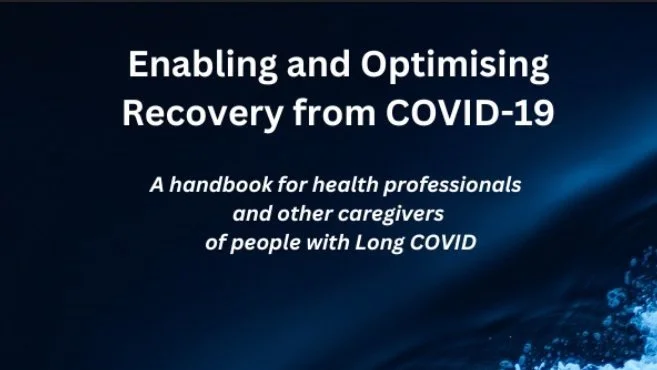
ENABLING AND OPTIMISING RECOVERY FROM COVID-19
While there are no medications that cure Long COVID, that does not mean nothing helps. Having a voice and being heard helps. Sensible handbooks like this one help.
Exclusives
-

Australian government secretly releasing sensitive medical records to police
The Australian government is releasing highly sensitive medical records to police through a secret regime that experts say contains fundamentally flawed privacy protections.
The Department of Human Services fields large volumes of requests for Pharmaceutical Benefits Scheme (PBS) and Medicare Benefits Schedule (MBS) data from state and federal policing agencies each year.
Published in Guardian Australia -
'Massive shortages': rural Australian pharmacies low on essential medications amid coronavirus
Major drug wholesalers warn of unprecedented demand saying it is 30% to 40% higher than forecast.
Rural pharmacists are struggling to source essential medications due to overwhelming demand on wholesalers amid the coronavirus crisis.
The spread of Covid-19 has not yet caused a national shortage of medications and experts say there is no need whatsoever to panic buy.
But the flood of orders from pharmacies has led to temporary shortages in some rural areas.
Published in Guardian Australia -
Pathology giants seek 50% rent reduction from hard-pressed Australian GPs amid coronavirus crisis
Many doctors’ clinics depend on revenue from tenants, who are also hit by downturn.
Major pathology corporations are attempting to halve their rental payments to GP practices across the country in a move that threatens to financially cripple clinics at a time of critical need.
Many Australian GP clinics depend on rental payments from co-located pathology centres to remain viable, and the revenue source has become increasingly important during the coronavirus crisis, which has cut their patient numbers, upended their business model and left many on the brink of collapse.
Published in Guardian Australia

deep dives




features
-
The real reasons we have drug shortages
Shortlisted for the 2018 Australian Medical Writers Association Early-Career Award
-
What do we mean when we call something a disease?
Published in The Best Australian Science Writing 2019 anthology

-
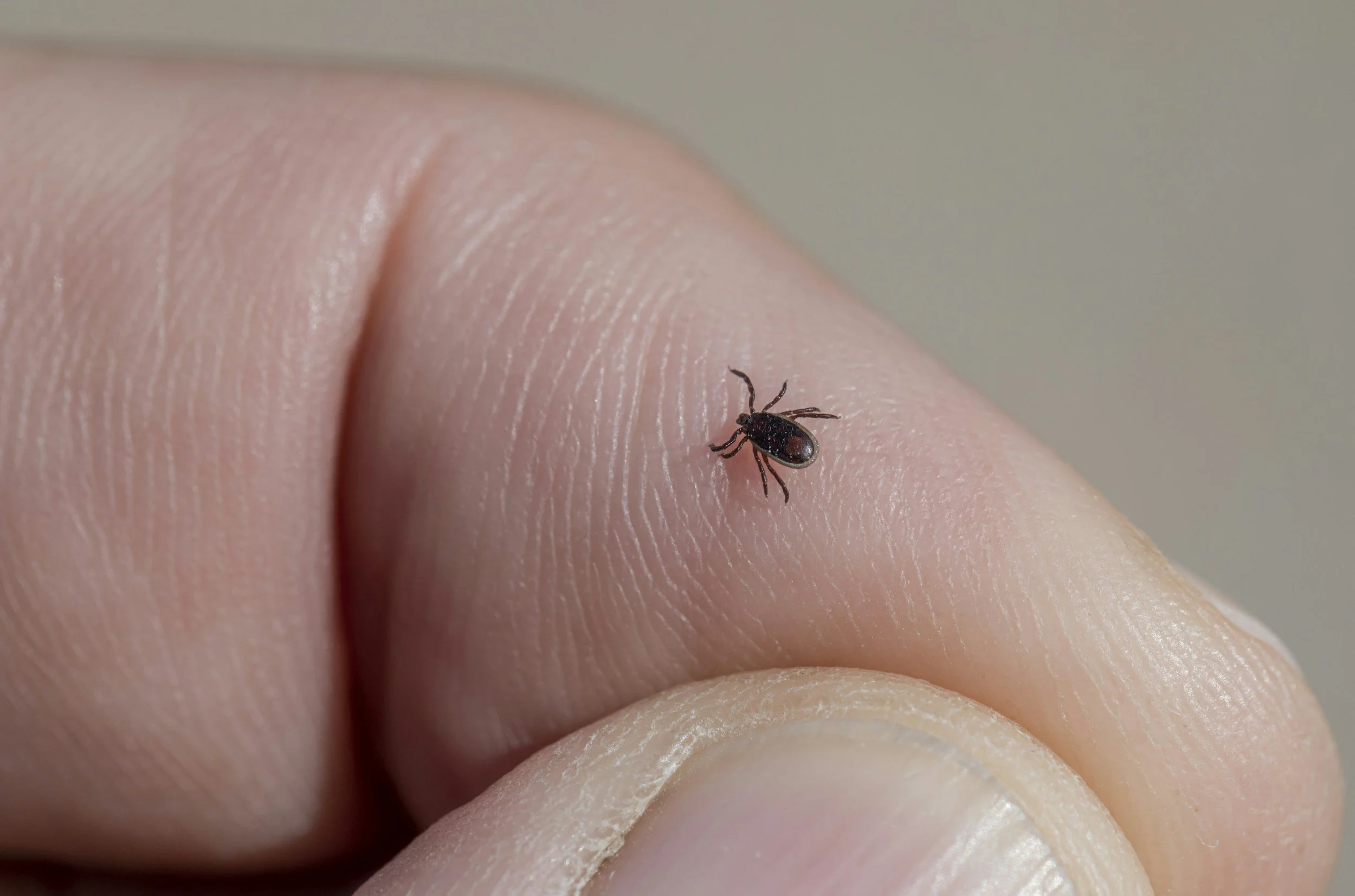
Senate inquiry puts ticks in the Lyme light
Published in The Best Australian Science Writing 2017 anthology
-

Should we bring back the smallpox vaccine?
It’s 1979 and Danish anthropologist Peter Aaby has taken the long flight, once again, to the tiny West African nation of Guinea-Bissau in the midst of a devastating measles outbreak.
Mothers in Guinea-Bissau know that there’s about a 50% chance that their child will die before the age of five. Measles causes 10 to 15% of these deaths.
In December that year, however, the Bandim Health Project, involving researchers such as Peter Aaby, launched the first measles vaccination campaign, and 85% of children were inoculated.
And that’s when something really unexpected happened. Instead of childhood deaths decreasing by 10-15% in line with predictions, the mortality rate plummeted by 70%.
“Seven-zero,” says Christine Stabell Benn, a professor of global health at the University of Southern Denmark, who is also involved in the Bandim Health Project.
“That’s a tremendous reduction in mortality. Measles vaccine should not reduce mortality to that large extent according to what we know about measles vaccine and its effect.”
Published in The Medical Republic
-

From kinks to chemical cannons: the nine weirdest COVID responses
When the entire world is dealing with exactly the same mega-crisis, there are bound to be some government COVID policies that are a little more on the kooky side.
We hunted down the nine strangest interventions happening on the planet right now. In these difficult times, we hope this very silly listicle brings you some joy.
1. THE ONE-SEX-BUDDY POLICYThe country with a capital known for its risqué red light district and cannabis cafes – The Netherlands – has taken to doling out COVID-safe sex advice with refreshing candour.Singles looking to hook up during the pandemic were advised to stick to one sex buddy at a time on a government-affiliated website.
There are two Dutch words for “sex buddy”: “seksbuddy” and “knuffelmaatje” (literally “someone to cuddle with”).The Rijksinstituut voor Volksgezondheid en Milieu (RIVM) used both words on their webpage dedicated to Coronavirus and Sexuality.“It is extra important that you keep the risk of the coronavirus as low as possible with intimacy and sex. For example, meet with the same person to have physical or sexual contact, for example a cuddle buddy or ‘sex buddy’,” the RIVM said.
Published in The Medical Republic
-

Transgender children: When doing nothing causes harm
Last month, Australia’s newest prime minister responded to a tabloid media story by tweeting this: “We do not need ‘gender whisperers’ in our schools. Let kids be kids.”
Jo (not her real name), the mother of a transgender child in NSW, says this was the prime minister giving “the whole of Australia permission to kick us in the guts”.
The Coalition’s Scott Morrison had only been in office for 13 days when he handed a megaphone to transphobics and transsceptics by endorsing the provocative news story in Sydney’s Daily Telegraph.
The newspaper had incorrectly claimed that teachers were being “taught to spot potential transgender students”, leading to a “236% surge” in the number of children wanting to change their gender in the past three years.
The number of transgender children coming out is certainly increasing dramatically, but not for the reasons stated in the story, says counsellor Dr Elizabeth Riley (PhD).
The number of transgender children is the same as it ever was – around 1.2% of the population; kids just feel safer identifying as trans now that there is greater awareness and acceptance in society, she says.
The Royal Children’s Hospital in Melbourne, which runs Australia’s leading Gender Service, has seen an increase in referrals from one patient every two years in 2003 to 104 new patients being referred in 2014.
-

Food for thought – meet the intolerance detectives
Overcoming a lifetime of food-related trauma, Mark slowly unpeeled a banana, gingerly sliced off a one-centimetre coin, popped the piece into his mouth, and swallowed.
His stomach heaved – but Mark was determined.
He forced the rest of the vile, pale-yellow breakfast down and left for work.
Mark (not his real name) was in the home stretch of a gruelling seven-month elimination diet to re-test his food intolerances.
As a child, Mark had been extremely sensitive to three common food chemicals: amines, salicylates and glutamate, which are found in most fruits and vegetables.
Food intolerances sometimes change over time, so Mark, aged 27, was embarking on a diagnostic elimination diet consisting largely of boiled eggs, porridge and rice.
The bland baseline diet would help pinpoint which food was causing acid reflux, gastrointestinal and neurological symptoms. Over the past few days, Mark had been testing his amines threshold by eating quite a bit of dark chocolate.
But it was the banana, which also contains amines, that pushed him over the limit.
“That afternoon, I actually remember standing in a colleague’s office with a Tupperware bowl in front of me trying to resolve a particular piece of work whilst I was throwing up,” Mark recalls. “Then I started to get quite severe neurological reactions,” he said.
Mark’s hypersensitivity to light, sound and touch got progressively worse over the next two hours, by which point he knew he needed to get home.
“I remember being intensely uncomfortable,” he said. “Like I wanted to rip my own skin off. Even just the air prickling against my skin was unbearable. “I’m not meaning to be hyperbolic when I say if I had the ability to recognise that throwing myself off my balcony would have ended it then I probably would have done that. It was just torture.”
Published in The Medical Republic -
Why don’t we exploit the hell out of the placebo effect?
It’s a counter-intuitive, mind-bending and rather uncomfortable fact that placebo pills produce about 60 to 80% of the benefit of the best medications for diseases with subjective symptoms such as chronic pain and depression.
That is, a patient with chronic low back pain, mild-to-moderate depression or a migraine can swallow a pill that contains nothing but microcrystalline cellulose and experience clinically relevant symptom relief over a prolonged period of time without any of the side-effects of active medication.
Doctors have always known this. Before the emergence of informed consent as a core principle of medicine in the mid-20th century, well-meaning physicians regularly hoodwinked patients with phoney treatments.
Former US president Thomas Jefferson described the practice as “pious fraud” in a letter to his friend Dr Caspar Wistar in 1807: “One of the most successful physicians I have ever known, has assured me, that he used more bread pills, drops of coloured water, and powders of hickory ashes, than all other medicines put together,” he said.
Today, such trickery is considered reprehensible, and doctors recoil from placebos. In fact, clinical trials are specifically designed to weed out medications that can’t outdo sugar pills.
Due to seemingly insurmountable ethical barriers, very few resources have been devoted to discovering how to maximise the placebo effect, despite it being a cheap and mostly harmless treatment.
Published in The Medical Republic
-
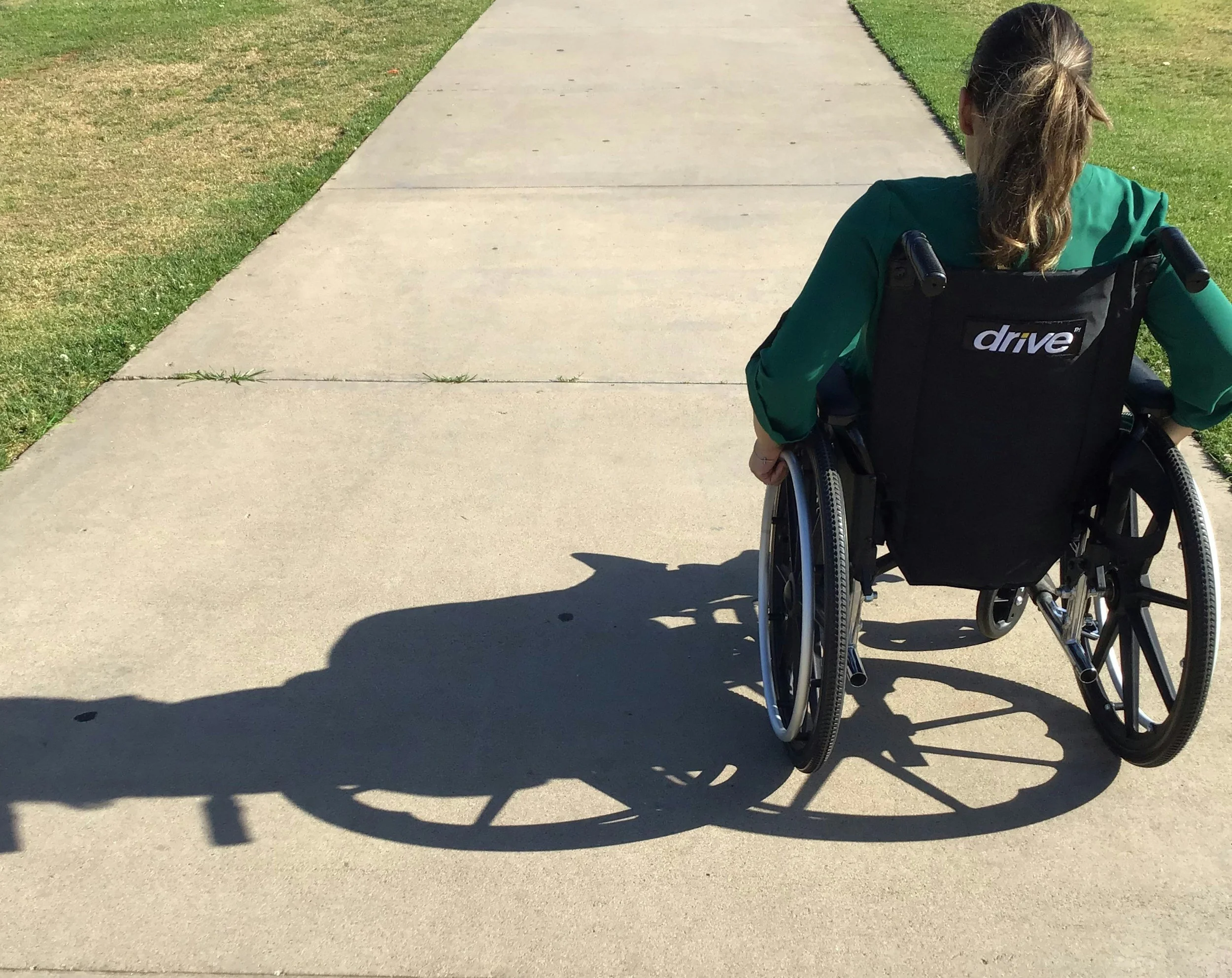
The vexed question of access for the disabled to study medicine
“It always seems impossible, until it’s done.” – Nelson Mandela
There was a time in the US when wheelchairs had to be manually lifted from the street to the sidewalk because there were no curb cuts.
In the 1970s, a band of UC Berkeley’s students with quadriplegia – who called themselves the Rolling Quads – protested until the local council agreed to cut ramps on every street.
Elsewhere across the country, demonstrators in wheelchairs took sledgehammers to pavements. And, bit by bit, they chipped away at discrimination.
As soon as the curb cuts were made, it became obvious that they were useful to everyone, not just those with significant disabilities.
A curb cut is just a practical, alternative pathway. Once in place, a world without them becomes unthinkable.
Published in The Medical Republic, 2019 -

Climate change: why despair isn’t an option
Thinking back on the summer we’ve just had here in Sydney it feels like something has snapped.
The far-off threat of climate change that scientists had been warning us about for decades was suddenly on our doorsteps.
The bush became a fire-breathing dragon. Smoke wiped out the city skyline. Blue skies were snatched away. On a few days, it literally rained ash.
Bewildered, people snapped photos of the funny orange dot in the sky – “the new normal” for post-apocalyptic Australia.
As air pollution hit 11 times safe levels, North Sydney pool put up a warning sign telling people that exercising outside could be bad for their health.
Published in The Medical Republic, 2020
Difficult topics
-

Why women feel pressured to amputate their genitals
A 16-year old who lives in Sydney is so distressed by how her vulva looks she tries to take a pair of scissors to her labia. Another goes through puberty petrified that someone will spot her longer-than-average labia minora through her swimwear. She suffers emotional abuse from a partner who calls her genitals “weird”. She undergoes labiaplasty aged 23 and is satisfied with the result; it’s a relief to finally feel comfortable in her own skin, she says.
Girls as young as 11 are now seeking genital cosmetic surgery in Australia, despite their genitals being comfortably within the bounds of what is considered normal by gynaecologists.
At the Royal Children’s Hospital in Melbourne, the average age of females presenting with concerns about their genital appearance is 14.5 years.
Surgical removal of labia minora tissue is generally only medically indicated, and Medicare rebatable, in women who suffer significant functional impairment due to labia that extend more than 8cm below the opening of the vagina while the patient is in a standing position.
But, of 46 patients seen by the Royal Children’s Hospital for perceived genital issues, only three women had labia more than 5cm in width. Most girls with anxieties about their genital appearance were anatomically normal.
In fact, there appears to be absolutely no correlation between labia minora width and the desire for surgical reduction; even women with labia minora as small as 1cm requested surgery in a UK study.
This worrying trend of women with normal genitals seeking surgery has been seen around the globe. Labiaplasty is now the fourth most popular cosmetic procedure, after liposuction, breast augmentation and rhinoplasty.
In Australia, 1,588 women had a blade taken to their genitals in 2013, representing a 140% increase in labiaplasties since 2001. The UK saw a five-fold increase over a decade, while rates of labiaplasty grew by 44% in one year alone in the US.
Disturbingly, labiaplasty is medico-legally indistinguishable from female genital mutilation, which is now illegal in Australia even for consenting adults.
Published in The Medical Republic -

Can prison actually be good for your health?
Alice* has a son who’s been to jail, an ex-spouse who is currently in jail, and she’s been to jail herself.
She knows the NSW prison health system quite well and has nothing good to say about it.
Her son was in prison for two years and received “no treatment whatsoever” for his severe eczema, she says. His skin was “absolutely appalling … like it was really, really bad … large scales of black crust all over his body”.
Her former partner has spent over 25 years in prison. He was diagnosed with a hernia three years ago and is still waiting to have it removed. It could burst at any time, she says.
“He’s a violent sort of criminal,” she says. “He’s only ever been out for a year or so since he was about 11 years old. His mental health should have been looked at a long, long time ago. It’s just gotten worse over the years.”
When Alice was in custody in Newcastle for a few days, “there wasn’t even a cake of soap”, she says.
“It wasn’t very hygienic. And the prison guards, they look through you as if you’re not even human. I was sort of poked with a baton to move along the hallways. It was very degrading.”
Alice is not alone in giving Australian prisons a zero-star rating for healthcare.
Twelve other family members of prisoners (whom I contacted through Facebook support networks) told me that jail had a profoundly negative effect on their loved one’s health.
“When my son was arrested, he was brutally assaulted by the police and, despite the judge ordering urgent medical attention at his hearing the next morning, it took nine days to see a doctor,” said a woman from Melbourne.
“My husband is currently in the NSW prison system,” another woman said. “His mental health has been a major issue since going in. We can’t get a proper diagnosis and he doesn’t receive correct medication on a regular basis. His mental health has continued to decline.”
“My son had gallstones,” a woman from Victoria said. “He waited for over two weeks to be transferred to hospital. The only pain relief offered was Panadol.”
Published in The Medical Republic -

Why cultural respect programs aren’t working
hen Dr Mark Lock was 20 years old, his grandmother found her mother through an Aboriginal organisation called Linkup NSW.
Dr Lock (PhD), a Ngiyampaa academic who researches cultural safety, describes this sudden reconnection with his family as a “lightning-rod moment”.
“She was stolen,” he says. “So, my great grandmother was taken from Melville Island off the north coast of the Northern Territory and transported down to Menindee in the top north-west corner of New South Wales.
“And then she was raped. And my nan was born from that assault. And then my mum had me. It’s a typical story actually. Quite confronting when I think about it. That’s where I’ve come from.”
Having shared his story, Dr Lock politely turned the spotlight on me and asked: What is your cultural background?
I paused, feeling a little thrown. I didn’t really have an answer to that question.
My background is bland and boring – white, Anglo-Saxon, a descendent of convicts and colonials. I am almost never called upon to describe my culture. My culture is so dominant that I forget it’s even a culture. It becomes white noise. How privileged is that?
Indigenous Australian health advocates have been trying to convince doctors to notice culture – their own and others – for many years, with limited success.
When you belong to the mainstream culture, the healthcare system just seems normal, vanilla even. Everything is familiar and predictable; the staff look like you and everyone knows what they’re supposed to be doing.
It’s easy to forget that every interpersonal interaction in a GP clinic or hospital is being governed by an unwritten, intricate set of cultural rules.
It’s easy to forget that this system has been deliberately planned out so that it makes someone with your specific cultural background feel completely at home.
Unfortunately, many Indigenous people do not feel that way.
“Aboriginal and Torres Strait Islander people have a lot of issues with going to hospital because they are really alienating environments, not just the physical space but the attitudes of health professionals and just the fact that they are colonially constructed organisations,” says Dr Lock.
Published in The Medical Republic

STORIES FOR DOCTORS
-

Could n=1 trials break the medical cannabis deadlock?
A GP took to the microphone at last month’s GP17 panel discussion on medical cannabis and said: “We’ve got a full house, and I’m sure most of us here are wondering, what do we do?”
-

Are we being too hard on integrative doctors?
The Medical Board of Australia’s inbox has never been so full. As of mid-June, the board had received around 8,000 emails about its proposal to regulate doctors who use unconventional medicine.
-

How work (cover) can make matters worse
People who have sustained a psychological injury at work face such a Kafka-esque whirlpool of paperwork and pushback from insurers that doctors are advising some patients to stop the claims process and just pay privately for treatment.
-
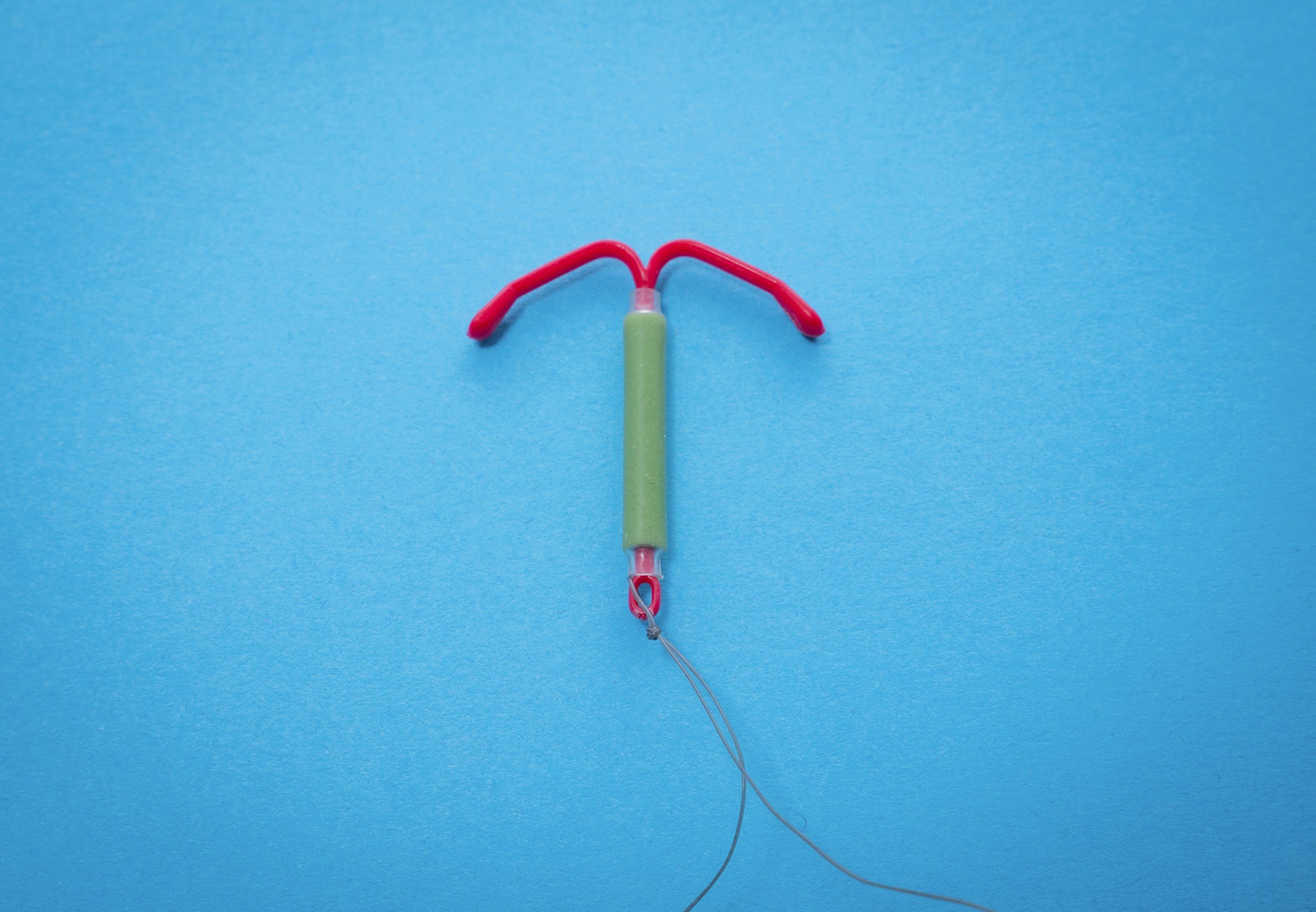
Why is there so little love for LARCs?
Despite LARCs being much more effective than the pill, only a fraction of women use them. Why is this?
-

How to spot rubbish qualitative research
Doctors tend to ignore qualitative research because it’s too hard to judge whether it’s any good or not. But it’s possible to identify low-quality qualitative research
-
Are we all just medical implant guinea pigs?
A few years ago, a Dutch journalist teamed up with an Oxford University academic to see whether she could fool European regulators into approving fruit netting for use as transvaginal mesh.
-
Uncovering Scandinavia’s health-data secrets
Nordic countries know something we don’t about using public-health data for research
-
‘It’s like they’re trying to bankrupt us’
Covid and flatlining Medicare rates are combining to squeeze bulk-billing practices into charging fees.
-
The ‘mad king’ conundrum
Some US psychiatrists are breaking their professional code of ethics to warn the public about Donald Trump
NEWS for doctors
Healthed author profile
GPs are tolerance machines
Published on Healthed, 21 October 2022
How to say ‘no’ in general practice
Published on Healthed, 28 October 2022
GPs on social media – Where can we find them?
Published on Healthed, 14 October 2022
Remuneration, red tape, demanding patients: What your colleagues are saying
Published on Healthed, 30 September 2022
30% of GPs have seen bad outcomes from non-specialist cosmetic surgery but only 1% reported to AHPRA
Published on Healthed, 16 September 2022
78% of GPs want ‘cosmetic cowboys’ banned
Published on Healthed, 7 September 2022
78% of GPs don’t understand the new CPD
Published on Healthed, 3 September 2022
‘Disconnected’, ‘Loss of focus’, ’Does great work’: Presidential candidates respond to member concerns
Published on Healthed, 27 August 2022
Exclusive: Only 25% of GPs see value in RACGP membership
Published on Healthed, 24 August 2022
EXCLUSIVE: 60% of GPs have patients with long COVID
Published on Healthed, 19 August 2022
Have we passed the peak?
Published on Healthed 12 August, 2022
Will patients recover their urinary control and erectile function after prostatectomy?
Published on Healthed, 11 August 2022
Rhinitis: ‘The nose is just the tip of the iceberg’
Published on Healthed, 11 August 2022
If they are yawning, it’s too late
Published on Healthed, 1 August 2022
A quarter of GPs feel burned out every day
Published on Healthed, 29 July 2022
‘We will never control the virus with vaccines alone’: virologist
Published on Healthed, 26 July 2022
1 in 9 GPs infected with COVID in the past two months
Published on Healthed, 26 July 2022
One in five GPs at risk of potentially fatal Zostavax error
Published by Healthed, 7 June 2022
EXCLUSIVE: 1 in 5 GPs switch from bulk billing to mixed billing
Published in Healthed, August 2022
The above story was reported on in the mainstream media here:
The Guardian’s story: GPs ditching bulk billing as costs rise and Medicare rebates lag, survey shows
SBS coverage: ‘A failing business model’: GPs called for urgent action
ABC’s story: GPs move away from bulk billing as costs rise and Medicare rebate lags
ABC’s story: Get set to pay more at the GP as doctors warn bulk-billing system will collapse without major Medicare overhaul
SMH’s story: Vulnerable patients asked to cough up as more GPs shun bulk billing
The Age’s story: It will take more than money to fix the GP crisis